
When it comes to running a successful restaurant, every detail matters. From the ambiance to the quality of the ingredients, each component plays a crucial role in creating a memorable dining experience. Among these elements, one often underestimated yet fundamental ingredient is cooking oil. The choice of cooking oil in your restaurant can significantly impact the taste, healthiness, and overall quality of your dishes. Let’s delve into why selecting the proper cooking oil is of paramount importance in the culinary world.
Cooking oils impart distinct flavors to dishes. From the nuttiness of sesame oil to the mildness of canola oil, each type contributes its unique taste profile. For instance, using extra virgin olive oil can elevate the flavors in Mediterranean cuisine, while peanut oil might be ideal for Asian stir-fries. The right oil can enhance and complement the flavors of your dishes, making them stand out.
Every cooking oil has a smoke point—the temperature at which it starts to break down and smoke. When oils exceed their smoke points, they not only release an unpleasant odor and flavor but also become less healthy due to the production of harmful compounds. Choosing oils with high smoke points, like avocado or refined sunflower oil for high-heat cooking methods such as frying or searing, ensures your dishes maintain their quality without reaching that burnt taste.
The nutritional aspect of cooking oils is crucial for health-conscious diners. Some oils, like olive oil, are rich in monounsaturated fats that can promote heart health. Others, such as coconut oil, contain saturated fats that should be used in moderation. Understanding the health benefits and drawbacks of different oils allows you to create a menu that aligns with varying dietary preferences and requirements.
In today’s culinary landscape, accommodating various dietary needs and allergies is vital. Using allergen-free oils like sunflower or safflower oil instead of peanut or soybean oil can prevent potential allergic reactions in guests. Being mindful of dietary restrictions helps create a welcoming and inclusive dining experience for all patrons.
Balancing quality with cost-efficiency is a concern for any restaurant. Choosing oils that meet both criteria while considering their sustainability is a smart approach. Opting for oils that have a longer shelf life and are suitable for multiple cooking methods can help reduce waste and overall expenditure.

Vegetable oil is ideal for deep frying in restaurants due to its high smoke point, which prevents burning and maintains food quality. Its neutral taste doesn’t affect the flavor of the fried food. It’s versatile, affordable, and widely available, making it a practical choice for commercial kitchens. However, proper use and disposal are important for health considerations.

Canola oil is a top choice for restaurant cooking and frying due to its high smoke point, neutral taste that doesn’t overpower food flavors, and heart-healthy profile with low saturated fat and high monounsaturated fats. It’s versatile, economical, and widely available, making it a favored option for commercial kitchens.

Peanut oil is a top pick for restaurant frying due to its high smoke point, which maintains food quality. Its nutty flavor enhances dishes, especially in Asian cuisines. It can be reused multiple times and, in refined form, is generally safe for those with peanut allergies.

Sunflower oil is a versatile and widely-used choice in restaurant kitchens. It has a neutral taste, high smoke point, and heart-healthy fats. Its affordability and availability make it a popular option for frying and cooking various dishes.
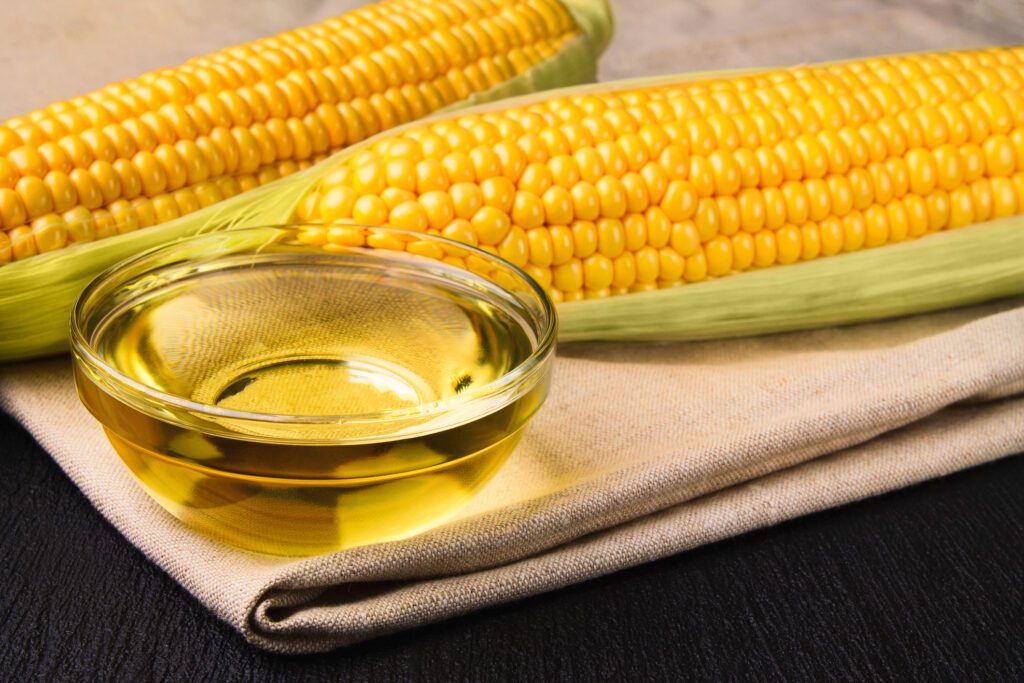
Corn oil is a favored cooking oil in restaurants for its ability to withstand high temperatures without altering the taste of dishes. With its mild flavor, it allows the natural flavors of foods to shine through. Its versatility, cost-effectiveness, and heart-friendly composition make it a preferred choice for frying and diverse cooking needs in restaurant kitchens.

Coconut oil has a unique, tropical flavor and works well in recipes that benefit from its taste. It’s suitable for moderate-heat cooking, solid at room temperature for baking, and contains potential health benefits due to its special fats. However, its distinct flavor, lower smoke point, and higher cost might limit its use in some restaurant kitchens.
At Buddies Grease Service LLC, we are committed to helping businesses maintain clean operations while making a positive environmental impact. If you are looking for a dependable partner for used cooking oil recycling, grease trap cleaning, or commercial grease services, we are here to help.
Contact us today to schedule your next grease service appointment and experience the difference that a dedicated, environmentally focused grease service provider can make for your business. We look forward to serving you.